
Theme: For every generation, vaccines work
Hashtag: #VaccinesWork, #WorldImmunizationWeek Call to action: Your decision makes a difference. Get vaccinated.
World Immunization Week 2026

Key messages
Hashtag: #VaccinesWork, #WorldImmunizationWeek Call to action: Your decision makes a difference. Get vaccinated.
/countries/thailand/children-at-border-are-recieving-vaccination.jpg?sfvrsn=df2decdc_3 "Children at border are recieving vaccination")

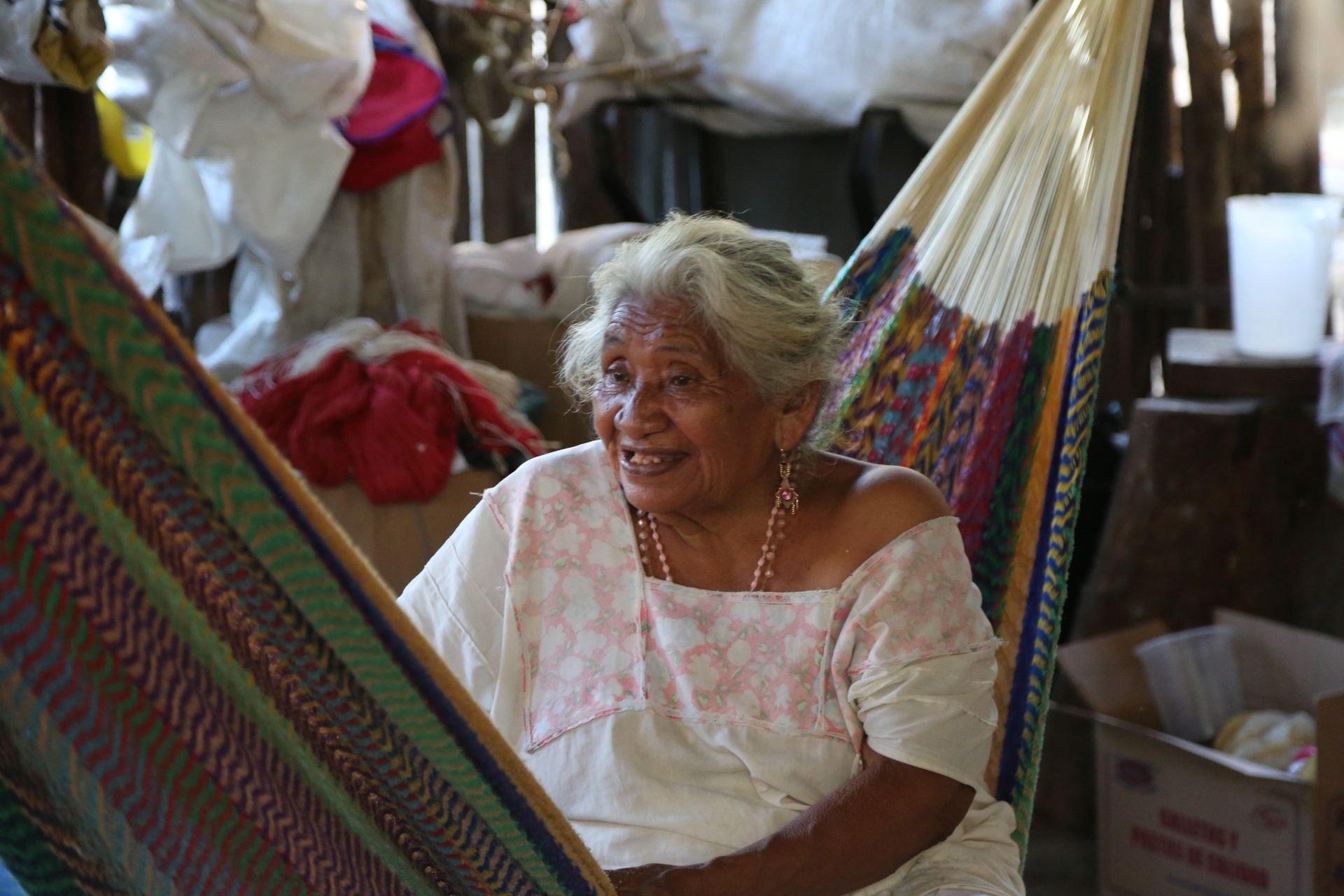

Vaccines are a critical part of staying healthy at every age. Today, vaccines protect people throughout their lives – from infancy through adulthood – against more than 30 infections and deadly diseases.
During pregnancy vaccination plays a vital role in protecting both mother and baby. By receiving recommended vaccines, such as RSV, influenza, and COVID-19, pregnant women can pass protective antibodies to their baby before birth and help keep both of them safe.
In adulthood, people’s immune systems naturally weaken as they age, making them more prone to severe infections. Vaccines protect adults and older adults against illnesses such as COVID-19, influenza, pneumonia, and shingles—reducing the risk of severe disease and hospitalization and helping them stay healthier longer.
Vaccines targeting diseases prevalent in certain regions—such as dengue, malaria, and yellow fever—as well as those developed for outbreaks like cholera, Ebola, and mpox, are providing today’s families with the benefits of scientific advances that simply didn’t exist for previous generations.


Each year, nearly 20 million infants miss out on at least one vaccine, including more than 14 million who never receive a single vaccine dose, mostly because they lack access. As a result, millions of children remain unprotected from dangerous diseases that vaccines could prevent.
Behind every person who receives a vaccine stands an entire system dedicated to making it possible—health workers, volunteers, scientists, governments, clinics, and schools. Yet at the heart of it all are the conversations built on patience, listening, and trust.
Some family traditions are worth passing on: now is the time to make sure everyone in the next generation benefits from lifesaving vaccines. By building trust, sharing accurate information, and strengthening confidence, we can support families to make informed decisions that protect themselves, their children, and generations to come.
At the halfway point of the Immunization Agenda 2030 (IA2030), let’s create a world where fewer children die from preventable illnesses, adolescents are protected against diseases that threaten their future, and older generations enjoy longer, healthier lives. And together, we can end polio, just like smallpox nearly 50 years ago.