Strategic priority 1: Intersectoral health action

Between 2023 and 2027 WHO will promote action across sectors to address complex health challenges.

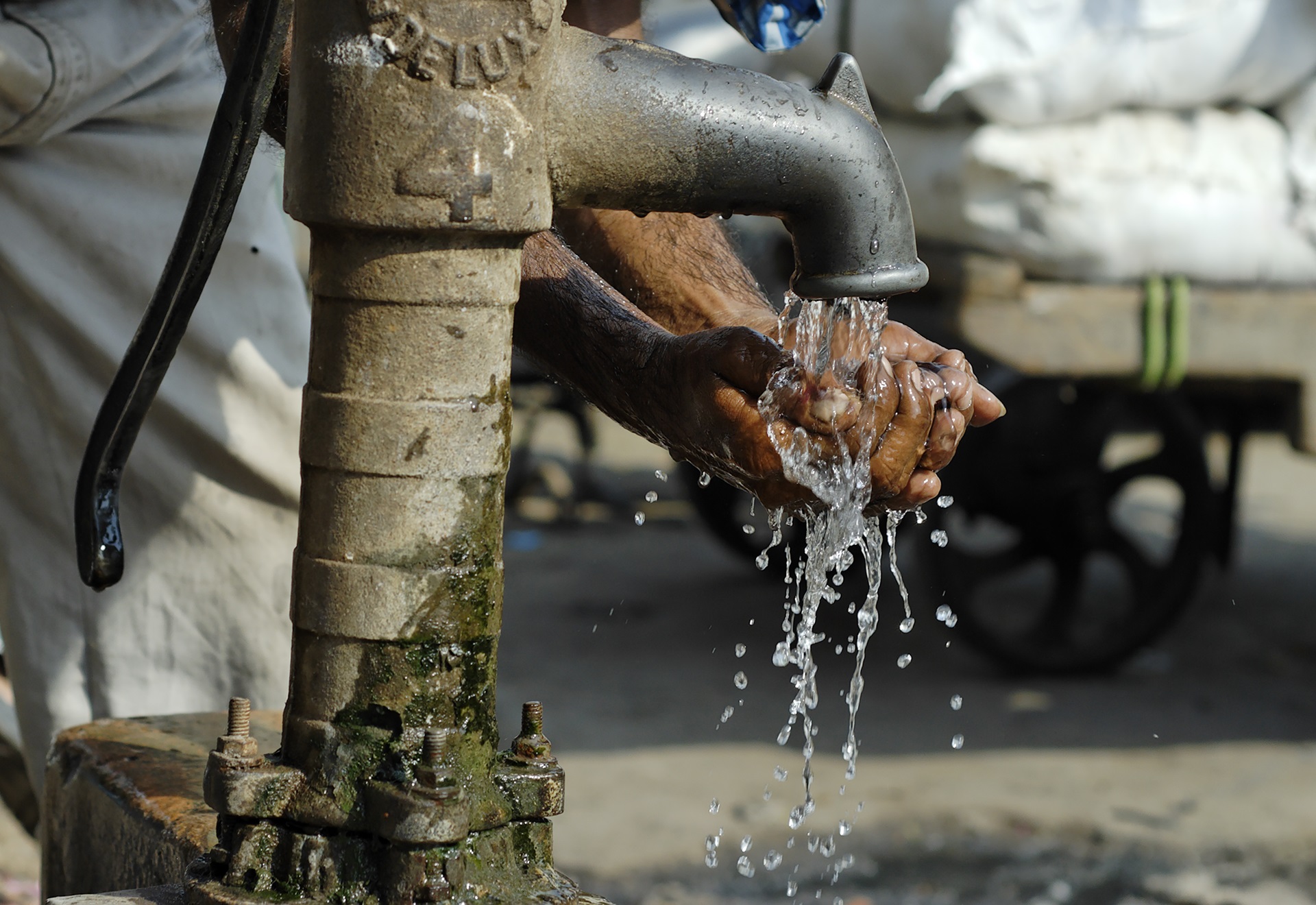
WHO will work closely with the Government of Indonesia and partners to implement a “health-in-all-policies” approach. This includes collaboration with key sectors such as water, sanitation, nutrition, education and environment.

WHO will also support efforts to address climate change, build climate resilience and foster healthy physical and social environments.

WHO will assist the Government of Indonesia in reducing major risk factors for noncommunicable diseases. These include tobacco use, unhealthy diets, physical inactivity, harmful use of alcohol and indoor air pollution.

WHO’s support will focus on strengthening policy development and implementing evidence-based interventions that promote healthier populations.

Related Health Topics

All →

News

All →

Publications

All →
An implementation guide to improve access to services for screening of diabetic retinopathy through primary health care in the WHO South-East Asia Region

Diabetic retinopathy (DR) is a leading microvascular complication of diabetes mellitus and a major cause of preventable vision impairment and blindness....

An overview of diabetic retinopathy services in WHO South-East Asia

Diabetic retinopathy (DR) is a major cause of avoidable vision impairment among people with diabetes in the WHO South-East (SE) Asia Region, driven by...

Fourth Regional Consultation on SEAHEARTS. Reviewing progress, accelerating actions

The Fourth Regional Consultation on SEAHEARTS: Reviewing progress, accelerating actions was convened virtually on 11 August 2026 to review Member State...

Establishing and operating cancer registries: Resource-adapted guidelines for the context of WHO South-East Asia Region

Across the WHO SE Asia Region, about 15% of the populations is covered by Population-Based Cancer Registries, with marked disparities across the countries....

Multimedia

All →