On 20 May, Maldives convened a national consultation workshop to develop the National Action Plan for Health Security (NAPHS). The meeting brought together senior officials from relevant ministries and government departments, development partners, and civil society organizations to chart the country's path toward enhanced health security. Through this initiative, Maldives has taken an important step for strengthening International Health Regulations (IHR) core capacities for health emergency and disaster risk management.
Both the medium-term strategic and short-term operational plans were deliberated at this consultation, jointly organized by the Maldivian Ministry of Health and Family Welfare and WHO Country Office for Maldives, with technical support from the WHO Health Emergencies Programme, WHO South-East Asia Regional Office. The consultation workshop reinforced a unified, multi-sectoral approach, including One Health actors, to strengthen Maldives' capacity to prevent, detect and respond to public health emergencies due to priority infectious and other key hazards.
Through comprehensive deliberations, the technical groups worked toward a consolidated NAPHS featuring measurable 5-year strategic objectives and prioritized operational activities designed for implementation within a two-year timeframe.
Building on JEE 2024 insights
The workshop focused on the priority actions recommended in the Maldives' comprehensive Joint External Evaluation (JEE) completed in September 2024. This assessment served as a critical stock-take, pinpointing key strengths and capacity gaps within the nation's health security preparedness and response systems. These insights were complemented by additional health security and systems reviews, ultimately shaping the actionable strategic objectives and prioritized activities across 19 technical areas now outlined in the NAPHS.
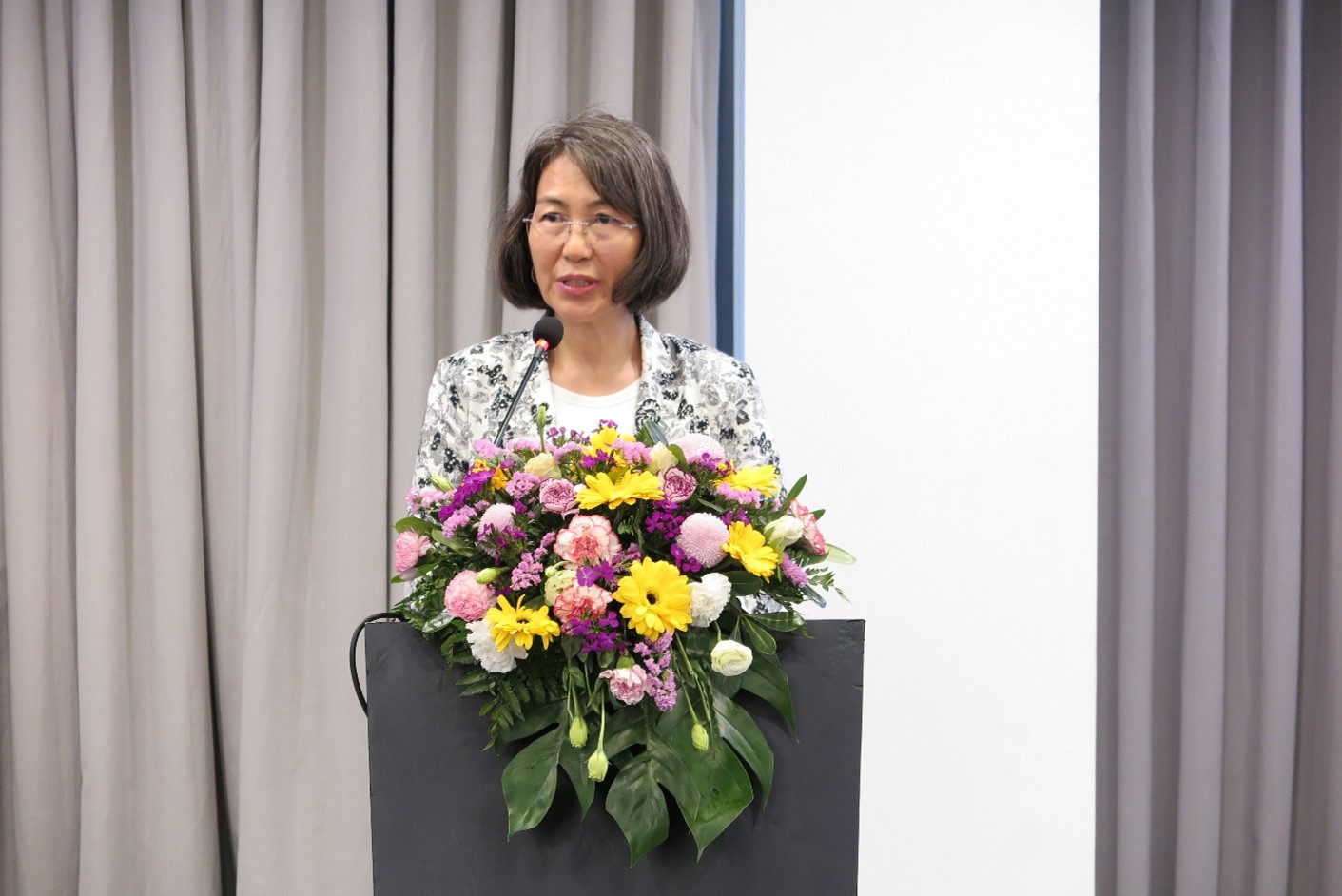
Photo 2: WHO representative to Maldives Ms Payden, WR to Maldives, addressing the audience
During the opening session, WHO Representative to Maldives, Ms Payden emphasized that the NAPHS is the country's guiding document for preparing for any public health threats or emergencies over the coming five years. She stressed that the plan intends to coordinate existing resources across all sectors identifying what is available, where the gaps are, how to fill them, and how to avoid duplication of effort. She highlighted the critical role of multi-sectoral engagement, noting the importance of coordinating agencies ranging from points of entry - seaports and airports to the Ministry of Finance (MoF) and the National Disaster Management Authority (NDMA).
Mr Ibrahim Ashraf, Deputy Director General, Health Protection Agency (HPA) underscored the significance of the occasion, noting that the two days of consultation would shape how the country prepares, prevents, detects and responds to public health threats over the coming five years. He called for full, open engagement from all participants, encouraging them to challenge proposed actions from the perspective of their own ministry or agency, and to raise any concerns so that practical, workable solutions could be found together.
Mr Ashraf emphasized the importance of workforce training and capacity building, noting that a resilient health security system requires skilled personnel at all levels. Priority activities identified include leveraging the Pandemic Fund and mobilizing domestic resources to ensure sustainable financing. The funding landscape will be broadened through donor engagement while ensuring domestic funds flow in, thereby maintaining strong national ownership.
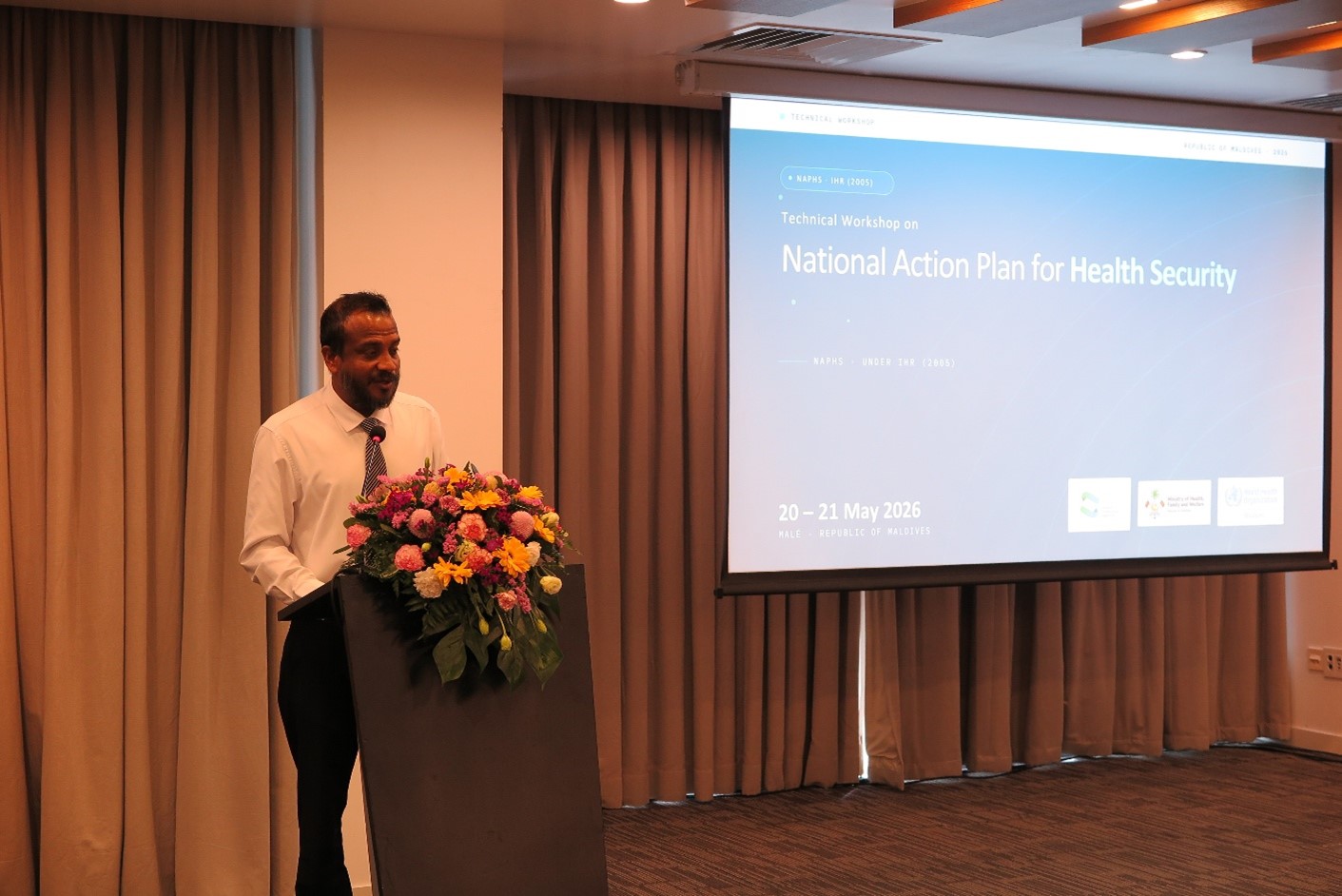
Photo 3: Mr Ibrahim Ashraf, Deputy Director General, Ministry of Health addressing the audience
Dr Maung Maung Htike, Technical Officer, Health Emergencies Programme, WHO South-East Asia Regional Office, noted that the NAPHS is not just a document; it needs to be implemented using all available technical and financial resources. He emphasised that the plan is country-owned and not driven by WHO recommendations or partner agencies. Instead, it is based on the identification of priority actions by the national multi-sectoral stakeholders for the next two years within the operational plan, as well as the broader five-year strategic timeframe. He added:
"The NAPHS is a strategic investment for Maldives. What are the priority activities you outline, and how will you implement them? If challenges arise in implementation, the plan has a built-in review mechanism - each year we can assess what barriers prevented implementation, revise, and remain flexible enough to outline new activities in the next operational cycle. This makes the plan a living document that serves the country's real needs."
Dr Htike further highlighted that Maldives, as a small island developing state, can leverage the WHO South-East Asia Regional strategic roadmap on health security and health system resilience for emergencies, particularly its regional networking components, enabling the country to link with established regional capacities such as Biosafety Level 4 (BSL‑4) laboratories that may not be feasible to build domestically. He underscored that the NAPHS is also aligned with the recent amendments to the International Health Regulations (2005), adopted in 2024, including the establishment of a National IHR Authority responsible for coordinating all IHR capacities and ensuring accountability for implementation progress.
A Whole-of-Government and Whole-of-Society Approach
More than 40 participants from national ministries and departments of health, finance, foreign affairs and environment, Quality assurance and regulation division, national laboratories, points of entry, animal health, food and drug authority , environmental agencies, the National Disaster Management Authority, Maldives National Defence Force (MNDF) and airports, civil society organizations and partner agencies contributed to the planning process and committed to finalizing and implementing the NAPHS. Technical representatives from WHO provided facilitation support, methodological guidance, and shared global best practices on health security planning. On the last day of the consultation, the technical working groups presented the finalized strategic objectives and operational activities.
Dr Reuben Samuel, Programme Area Manager, Country Health Emergency Preparedness and IHR at the Health Emergencies Programme department, WHO South-East Asia Regional Office, said in his virtual presentation on the Way Forward in the second day of the workshop: "The Maldives has made commendable strides since JEE-IHR 2024, but the real test is whether we can rapidly finalise and gain quick endorsement for a pragmatic, implementable NAPHS with good governance and accountability mechanisms." On the final day of the consultation, the technical working groups presented the strategic objectives and operational activities that had been completed. Dr Samuel added: 'Initiatives such as the Field Epidemiology Training Programme (FETP), the National Health Emergency Response Operations Plan (NHEROP) review and revision, national civil-military collaboration workshop are encouraging, but we must now focus on strengthening financing for multi-hazard health security and health system resilience in the event of emergencies, including those caused by climate shocks.'
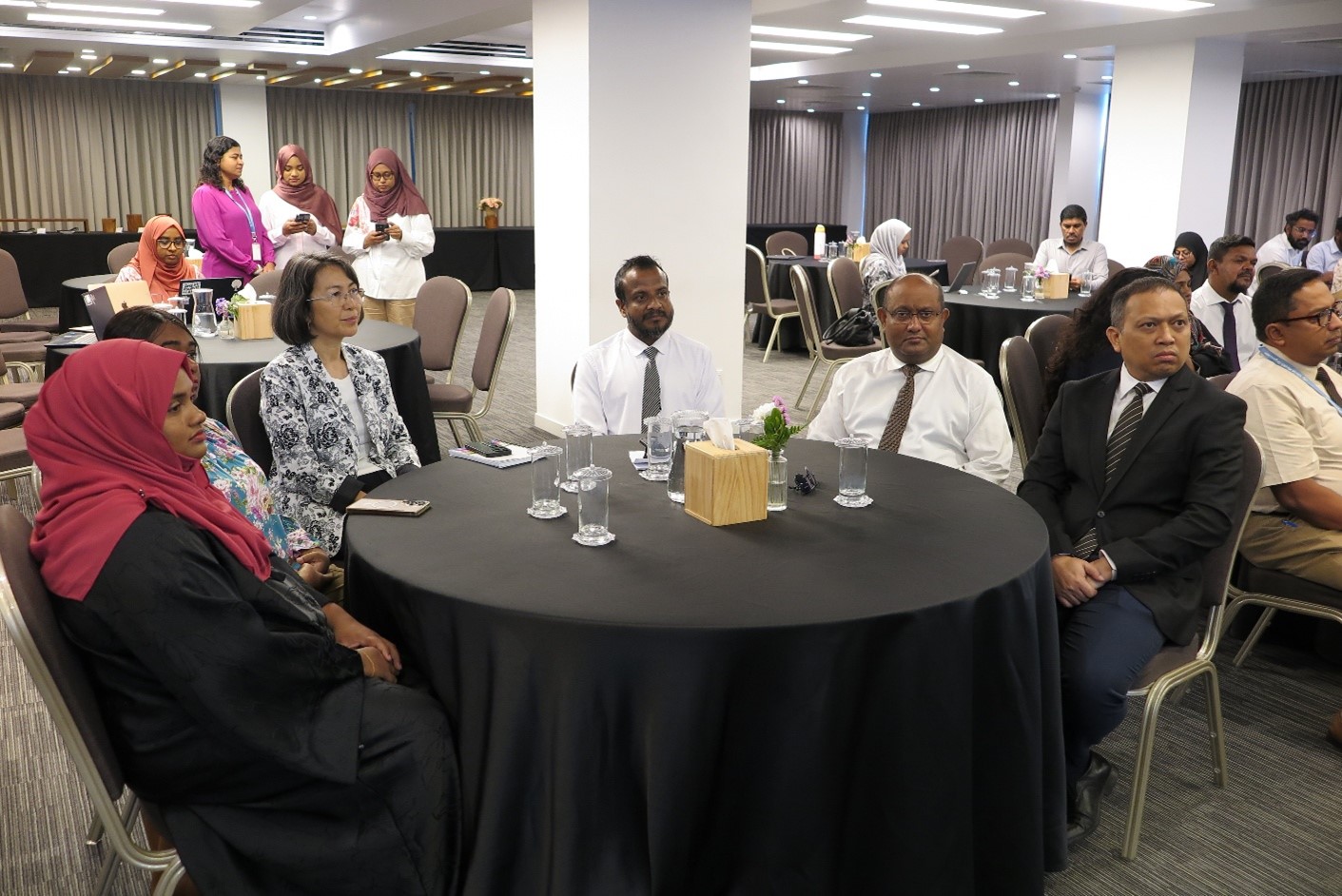
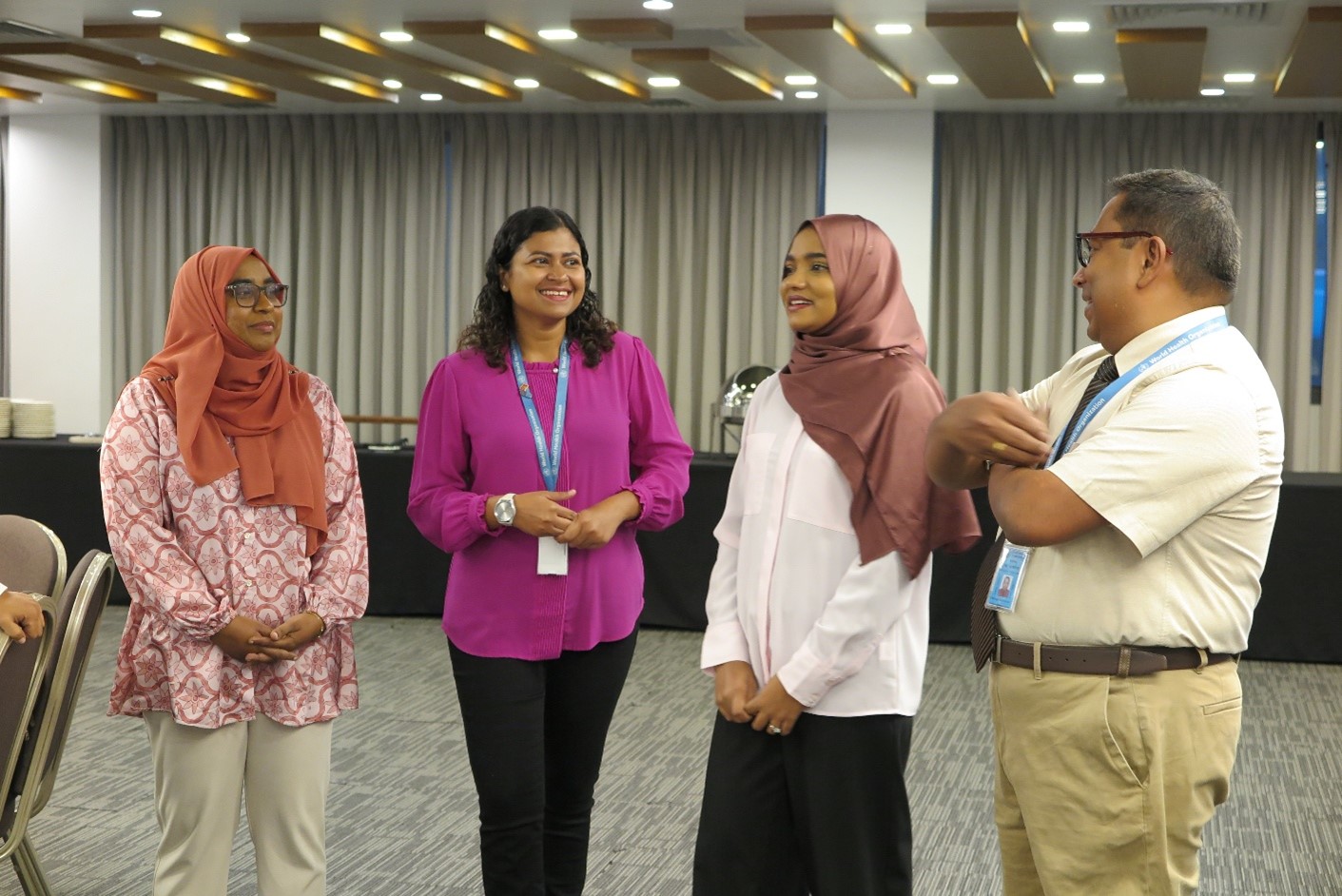
Photo 4: Group work presentations to finalize strategic actions and operational activities for the NAPHS plan in progress
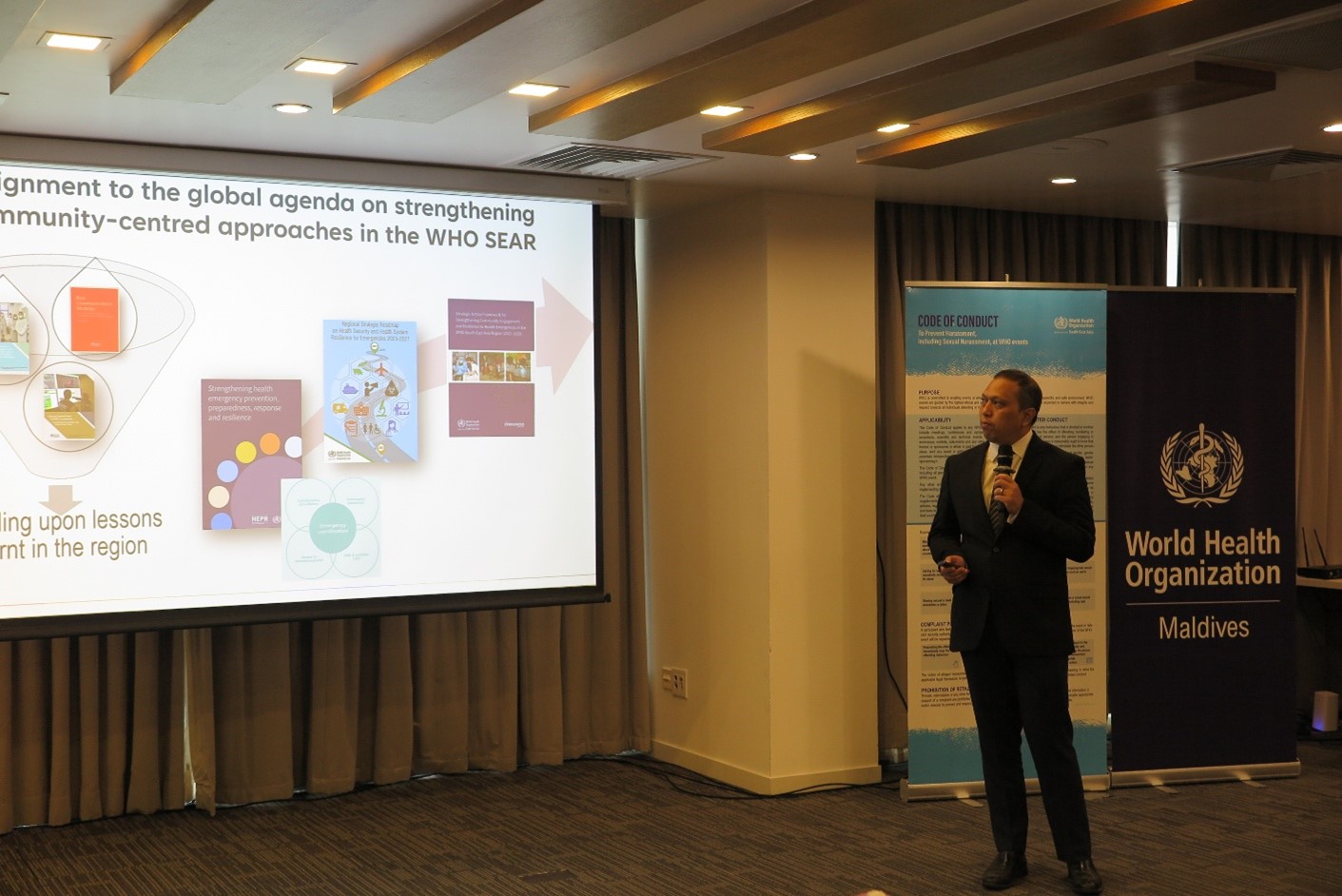
Photo 5: Dr Maung Maung Hitke, Technical Officer, International Health Regulations, WHO SEARO, highlighting alignment of the regional strategic roadmap to the NAPHS development in the WHO South-East Asia Region
Key outcomes
- A country-led, multi-year planning process based on the One Health and whole-of-government approaches.
- Development of a five-year strategic action plan and a prioritized 24-month operational plan to address International Health Regulations (IHR) core capacity gaps across 19 technical areas.
- Integration of the human, animal, environmental, security and finance sectors into a unified national health security framework.
- Strengthened coordinated readiness for outbreaks, pandemics, natural disasters and other emergencies.
- Commitment to costing the two-year operational plan to support investment planning from both domestic and partner sources.
Path forward
In the coming weeks, technical working groups will validate priority actions, align resource needs with national and subnational planning cycles, and outline coordination mechanisms to support joint implementation and monitoring. Following validation and high-level endorsement, the NAPHS will move into the implementation phase, including costing, resource mapping and mobilization and establishment of coordination mechanisms. High-level advocacy, continuous monitoring and periodic evaluation and routine testing of national health emergency risk management systems using After-Action Reviews and simulation exercises were identified as key next steps and recommendations for successful implementation.
As Maldives moves forward, the NAPHS - a practical, costed and implementable national plan to be implemented over the next five years, will serve as a roadmap for building a safer and more resilient health system. The consultation reaffirmed the country's commitment to emergency preparedness, multi-sectoral collaboration and innovation in protecting public health that contributes to health security not only nationally but regionally and globally.