
Pohnpei, Federated States of Micronesia – A patient arrives at a health facility with fever and a rash. Measles is suspected. Who needs to be notified? How quickly can the case be investigated? And what needs to happen to protect others who may have been exposed?
These were among the practical questions explored during a two-day measles outbreak preparedness and response simulation exercise held in Pohnpei, Federated States of Micronesia (FSM).
The exercise brought together health professionals from different areas of the health system to work through a simulated measles outbreak, make decisions and examine how existing response plans would work in practice.
Organized by the FSM Department of Health and Social Affairs (DHSA), in partnership with the Pohnpei State Department of Health and Social Services, the World Health Organization (WHO) and UNICEF, the exercise built on FSM's measles outbreak preparedness and response plan developed in 2025.
Putting plans into practice
Measles is highly contagious, and even one suspected case requires prompt attention. While vaccination remains the most effective way to prevent the disease, health services must also be ready to detect and investigate cases quickly and take action to prevent further transmission.
For FSM, where communities are spread across numerous islands, responding to an outbreak can bring additional challenges, particularly when health teams need to coordinate investigations, transport specimens or organize vaccination activities in remote communities.
Opening the exercise, Carter Joe Apaisam, Program Manager and Project Director of the National Immunization Program at FSM DOHSA, emphasized the importance of ensuring that preparedness plans can be translated into action.
"We have plans and procedures in place, but we also need to know how they will work when a real situation arises. Exercises like this give our health teams the opportunity to practice, learn from one another and identify what we can do better before an outbreak occurs," said Mr Apaisam.
Rather than relying on presentations alone, participants worked through simulated outbreak scenarios, discussing how suspected cases would be reported and investigated, how patients and contacts would be managed safely, when vaccination activities might be needed and how different teams would work together.
The scenarios encouraged participants to consider the practical decisions they might face during an outbreak, including situations where information is incomplete, resources are limited or several response activities need to happen at once.

Learning together, strengthening the response
Delivering the keynote address, Dr Roderico H. Ofrin, WHO Representative, highlighted the importance of learning through practice and ensuring that preparedness efforts reflect the realities of delivering health services across FSM.
"A simulation exercise gives us something very valuable: the opportunity to make decisions, ask difficult questions and learn together without the consequences of a real outbreak. The important thing is what we take away from these discussions and how we use those lessons to strengthen our response," said Dr Ofrin.
The exercise brought together medical officers, surveillance personnel, immunization and health promotion coordinators, nurses, infection prevention and control staff, laboratory technologists, pharmacists and partners.
For those taking part, the discussions offered an opportunity to look beyond their individual responsibilities and better understand how different parts of the health system contribute to an effective outbreak response.
"In our daily work, we often focus on our own responsibilities. This exercise helps us see the bigger picture, including what other teams need from us and how our decisions affect the response. It is a useful opportunity to learn together and think about what we would actually do if a case was reported," said Dr Eliaser Johnson, one of the participants.

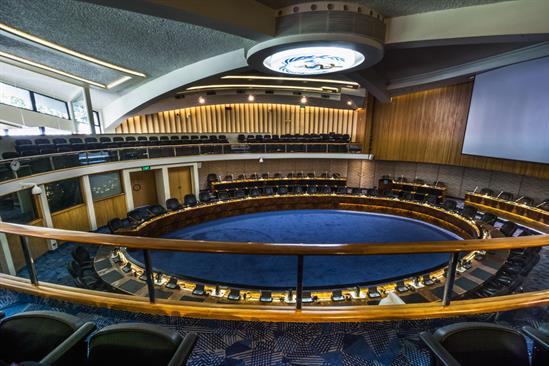
Participants present their response to a simulated measles case, examining the steps needed for case investigation, contact tracing and coordinated outbreak response. Photo Credit: WHO/Shahid W
Dr. Ratu Jone Cakobau on behalf of Director Penias of the Pohnpei State Department of Health and Social Services, also emphasized the importance of supporting frontline health workers and strengthening readiness at state and health-facility levels.
"Our health workers are often the first to recognize when something is wrong. We need to make sure they have the knowledge, support and clear procedures to respond quickly. Bringing different teams together in this way helps us understand where we are prepared and where we may need to improve," said Dr. Ratu.
Taking the lessons forward
An important part of the exercise was creating an open, supportive environment where participants could ask questions, discuss challenges and identify potential weaknesses without the pressures of a real emergency.
Through the scenarios, health teams had an opportunity to examine their response procedures, consider how decisions would be made and explore practical ways to improve preparedness.

Participants work in groups to discuss coordination, communication and response actions during the measles outbreak simulation exercise in Pohnpei. Photo Credit: WHO/Shahid W
The discussions also provided a basis for identifying areas that may require further attention, from reporting and investigation procedures to vaccination operations and coordination between national, state and outer-island health services.
For FSM, the value of the exercise extends beyond the two days spent working through simulated cases. The lessons and feedback can help guide future preparedness activities and support the continued improvement of the country's measles outbreak response arrangements.
With support from the Government of Japan, WHO is helping FSM strengthen emergency preparedness through practical initiatives such as simulation exercises, enabling health professionals to respond more effectively to disease outbreaks
WHO will continue working with FSM DHSA, state health authorities and UNICEF to support immunization and preparedness for vaccine-preventable diseases, helping protect communities across the country.